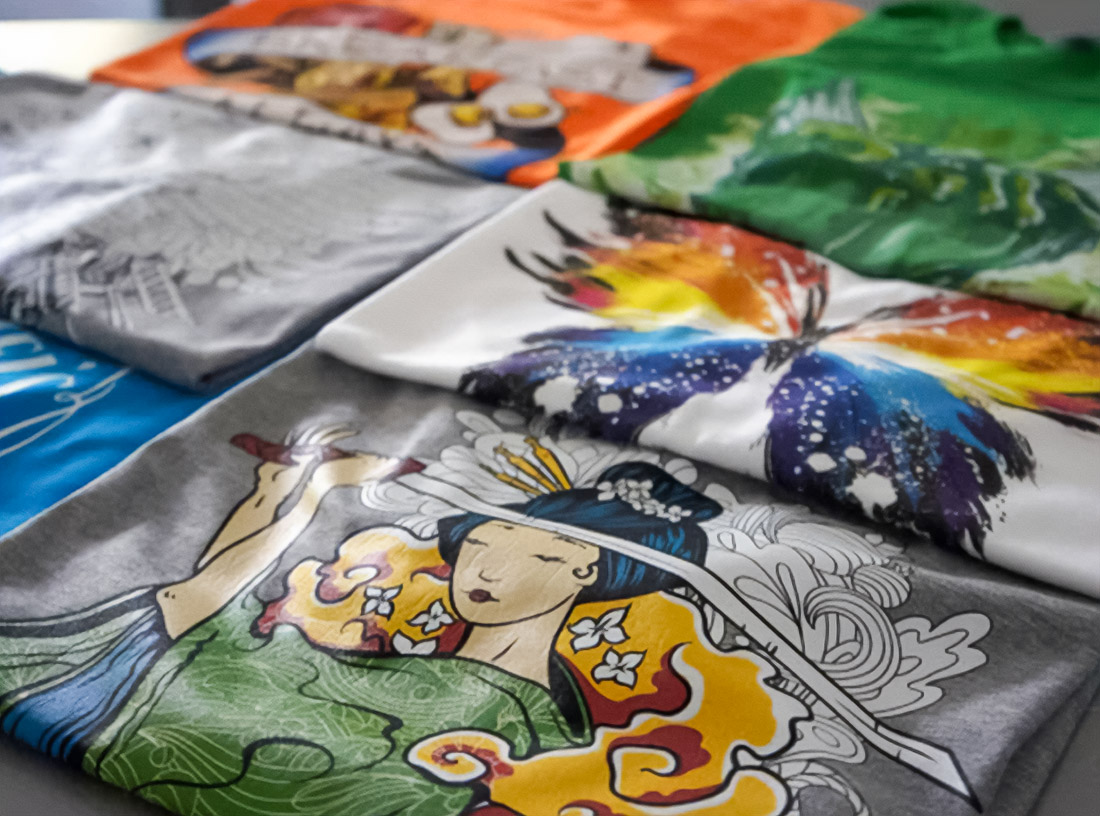
In the production of sports and outdoor clothing DTF printing has become a workhorse. Direct to Film technology transfers the image through film and powder glue, preserving color, texture and elasticity. DTF printing technology confidently handles polyester, cotton, nylon, canvas and denim. The process parameters are important here: temperature, time, pressure, type of peeling and surface preparation. Mistakes are expensive. The correct modes provide resistance to washing and ultraviolet radiation, stable adhesion and bright color reproduction.
Materials And Modes That Work
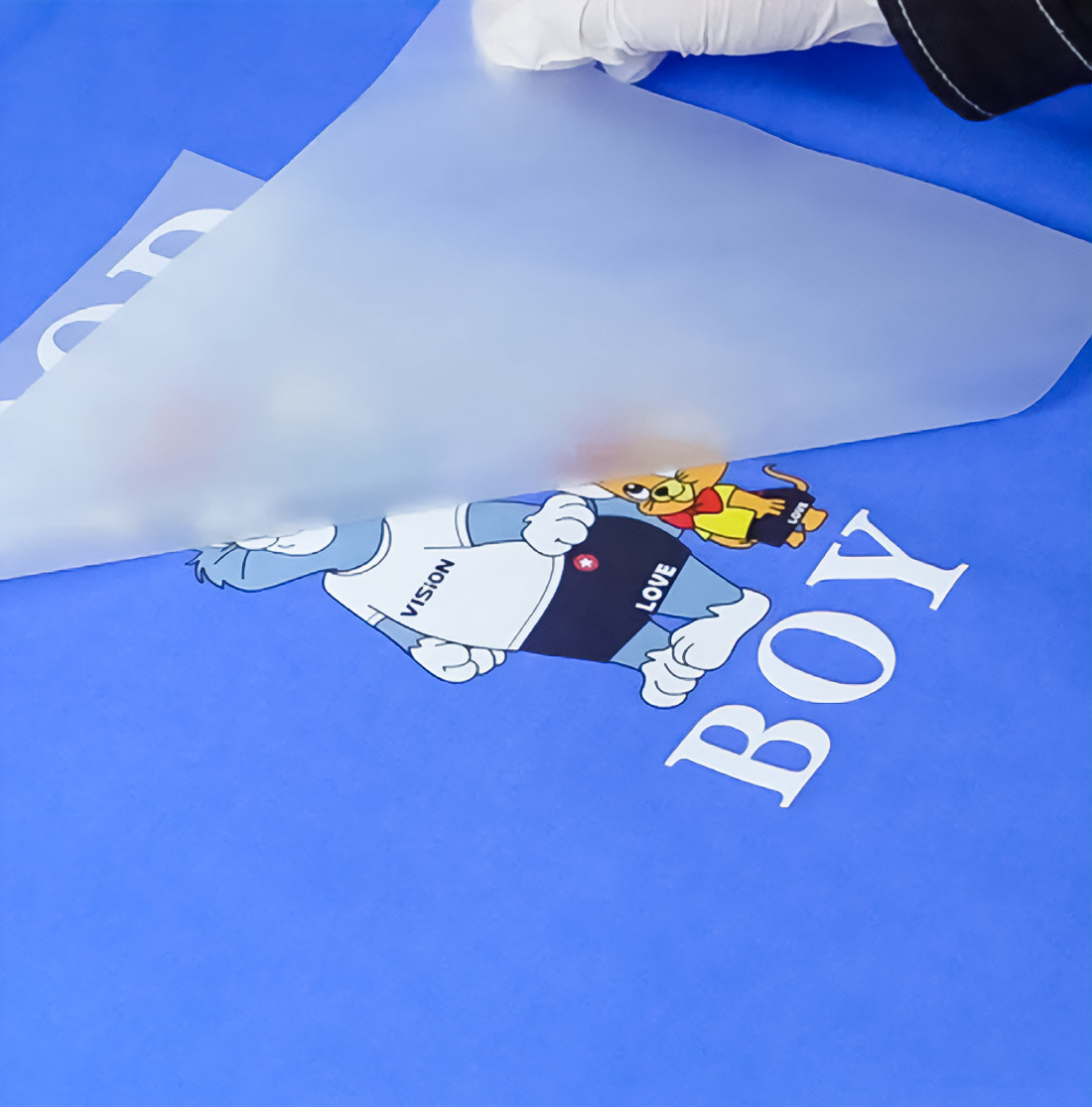
Cotton and blends accept printing without whimsy. 149-165 °C, 10-15 seconds, medium or dense pressure are suitable for them. Polyester requires neatness. Do not exceed 270-280 °F, which corresponds to 132-138 °C. The press is held for 10-15 seconds for the initial passage and 5-10 seconds for sealing. Nylon is sensitive to overheating. Practice 125-135 °C, light pressure, mandatory cold separation. Dense fabrics like denim and canvas like strong contact. 160 °C and 15-20 seconds are often used to allow the molten glue to go deep into the weave. Everywhere, film, pigment ink, a smooth surface, clean cloth, and a well-chosen powder are important.
Adhesion, Elasticity And Quality Control
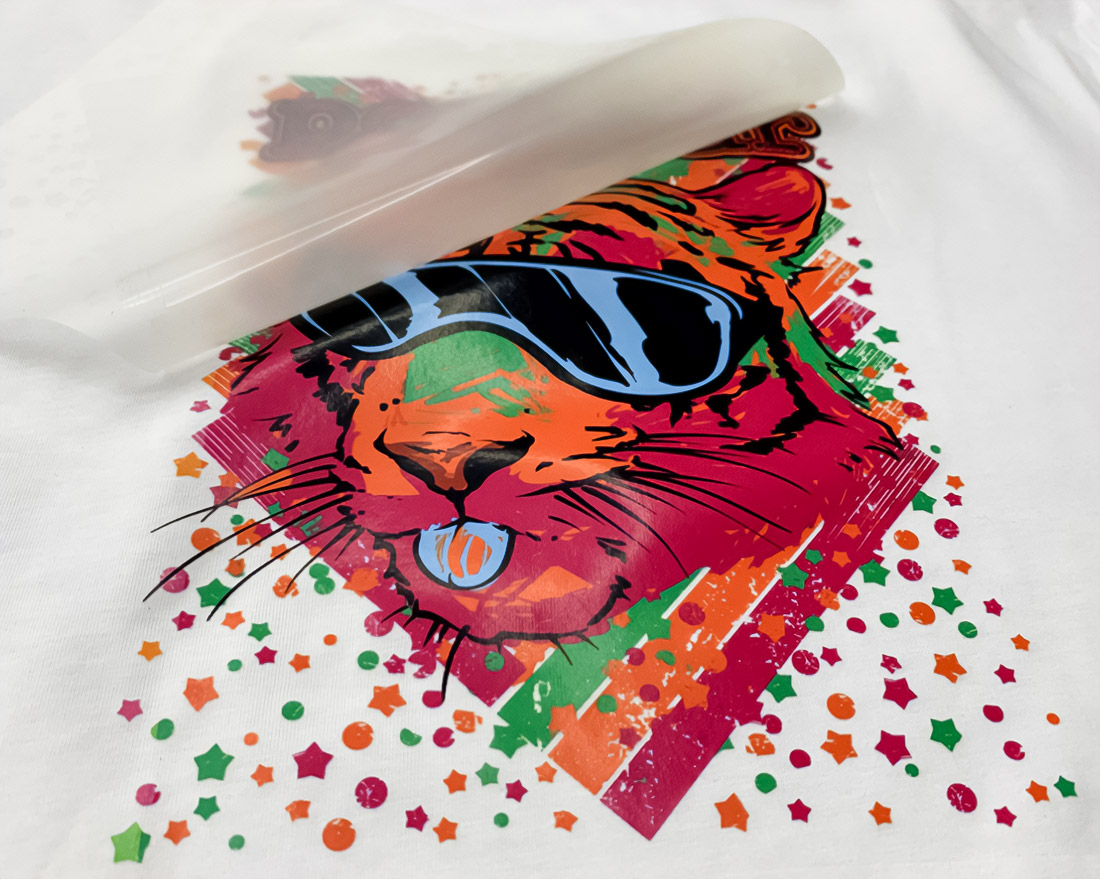
Moisture-wicking coatings and DWR interfere with adhesion. The surface is degraded with isopropyl alcohol. Sometimes a short preheating is added to activate the top layer. Stretch requires special powders with a low melting point and greater flexibility. This reduces the risk of microcracks during stretching. For polyester and nylon, it is safer to remove the film cold. Quality control is based on a series of tests. The washing strength is maintained at the level of 30-60 cycles or more. They carry out stretching with restoration, abrasion testing, and UV testing. The color is monitored with instruments and a Delta E metric to maintain batch stability. If the initial peeling appears at the edges, increase the pressure or increase the secondary press for 5-10 seconds with parchment.
Production, Customization, And Market
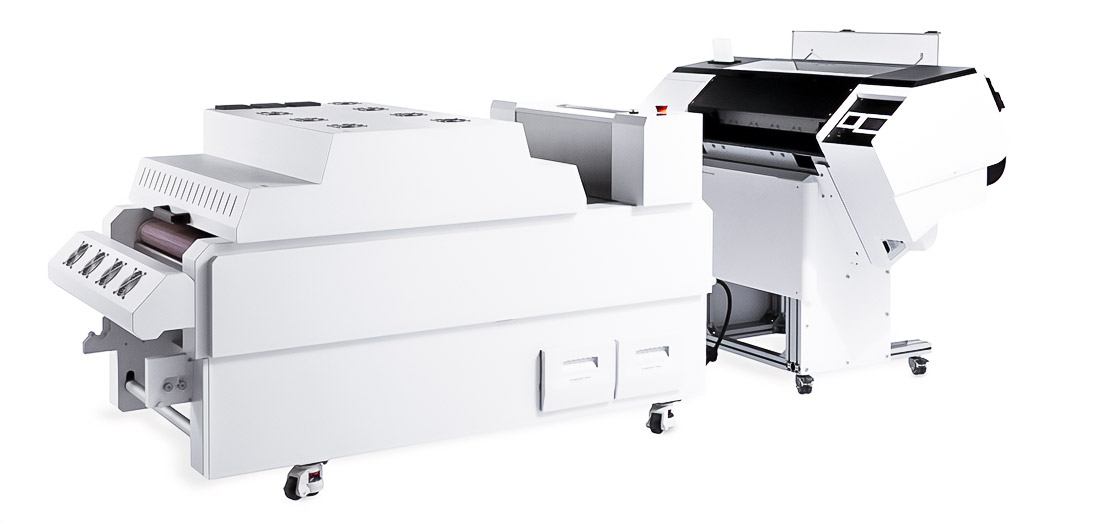
DTF printing covers small print runs, personalization, and limited drops. Gang sheets are supported to save materials and time. Non-standard placement zones can be used: sleeves, hoods, yoke, side panels. This enhances the visual effect without losing the properties of the fabric. For polyesters with bright dyes, the migration of color pigments is controlled by lowering the temperature and accurate heating time. There is a clear dynamic on the market side. In 2024, the volume of the DTG segment was estimated at $1.92 billion. By 2030, it is projected to grow to 3.90 billion at an average annual rate of 13 percent. Europe holds about 36.7 percent due to the demand for customization, the development of e-commerce and the transition to water ink. These figures confirm the practical value of the technology for industries of any size.
As a result, DTF printing shows a stable formula. First, the correct parameters: temperature in the right range, correct time, even pressure. Then the preparation: clean cloth, moisture removal on cotton, careful heating of complex materials, the right choice of powder. Next, the process discipline: cold separation on sensitive substrates, secondary sealing press, checklist control. The outcome is predictable. The brightness remains, the adhesion keeps stretching, seams and texture do not suffer. The technology is suitable for sports jerseys, leggings, basalays, softshells, bags and accessories. If durability and flexibility are required in a single product, DTF printing services in the US remain the rational solution.

Cyclist, father of 3, music blogger, Swiss design-head and RGD member. Producing at the fulcrum of beauty and programing to craft an inspiring, compelling and authentic brand narrative.