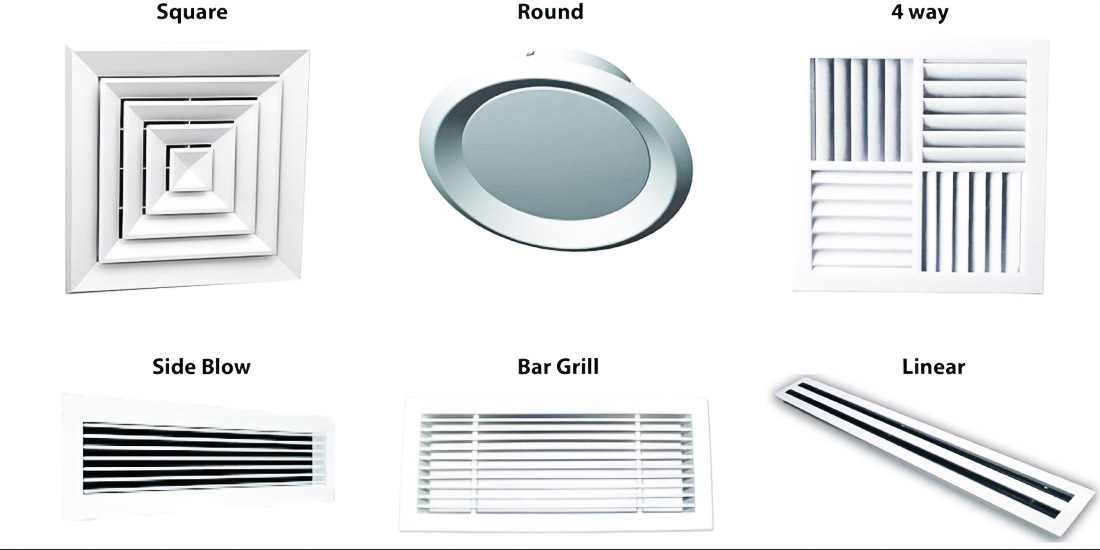
Production processes, such as heating, ventilation, air conditioning (HVAC), and lighting devices, play important roles in general picture emissions of carbon. They consume significant volumes of energy and generate significant amounts of carbon emissions. Only in 2023 will the world’s carbon footprint from these industries exceed 2 billion tons CO2-equivalent, which emphasizes the sharpness problem in conditions of global climate change. lighting control system suppliers in uae actively work on reduction this impact.
Global environmental challenges production HVAC and lighting devices
Construction activity and energy consumption in UAE
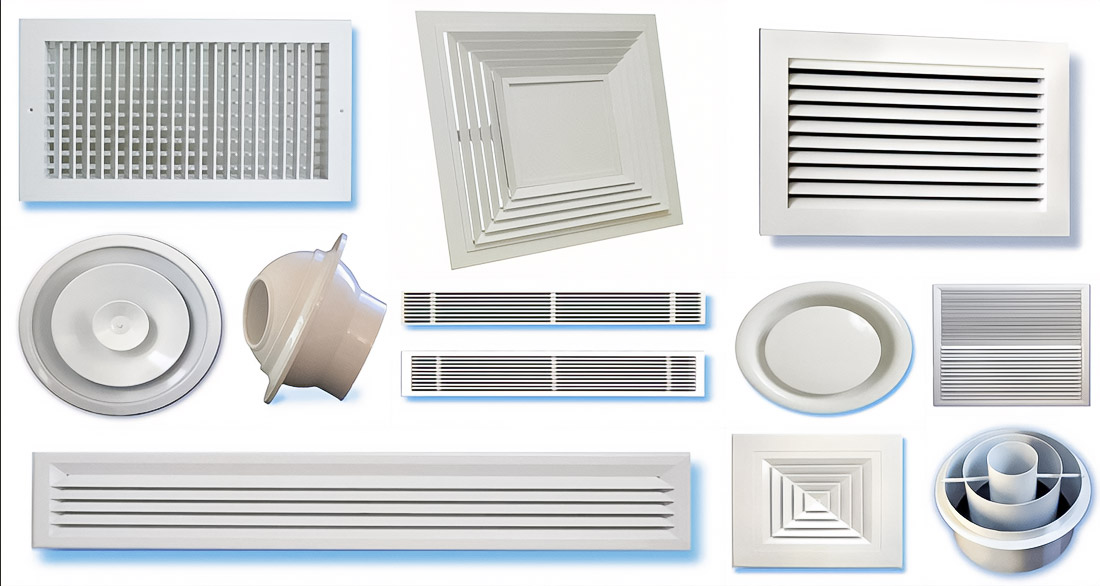
UAE, as a fast-developing country, is famous for its modern construction and high demand for HVAC systems and lighting. Today, the HVAC market shows an average growth of 5% annually. Large international companies, such as Danfoss and Trane, record annual increases in revenue of 7% in the region. More than 80% of the necessary production components are imported, creating a significant carbon footprint associated with logistics.
Innovations and localization: Path to reduction carbon footprint
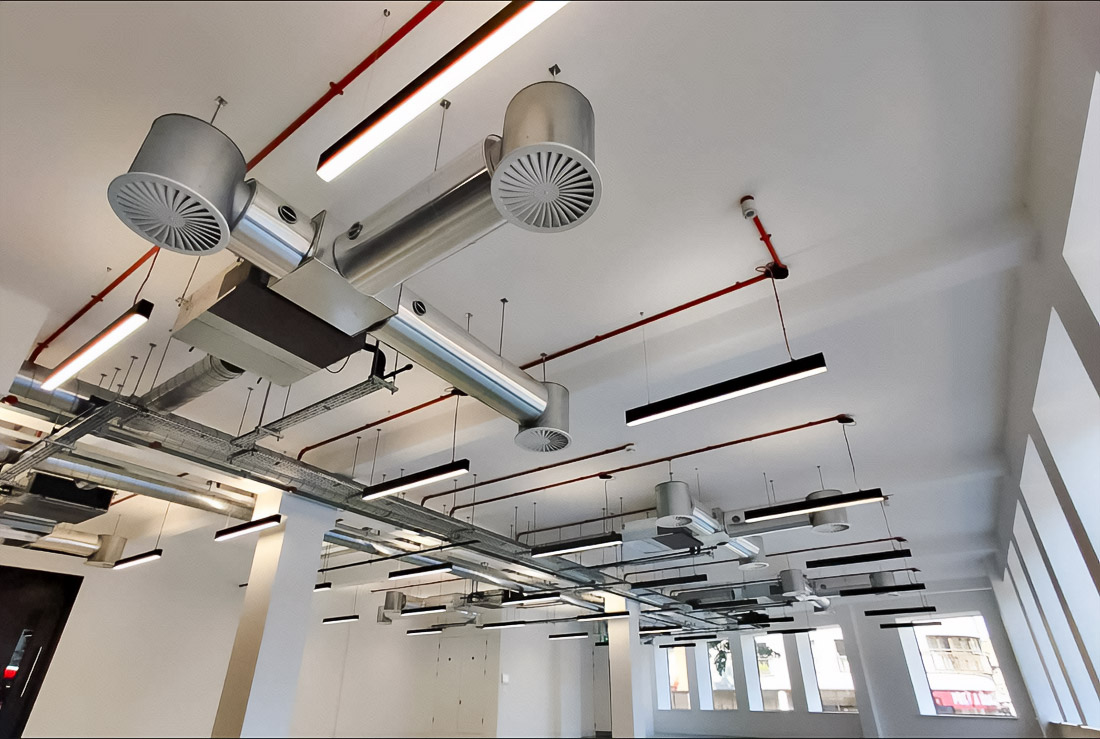
Growing localization production contributes to the reduction of transport emissions. In the 2022 year, the share of local manufacturers grew by 15%, and the projects to use solar generators in stage production led to a reduction of CO2 emissions by 12%.
International practices and UAE: Examples for imitation
UAE actively borrows experience from advanced countries. LEED and BREEAM programs became successful tools for increasing energy efficiency. For example, thanks to the implementation standards BREEAM, carbon emissions in one of the projects decreased by 18%. However, on level integration renewable sources of energy, UAE lags behind leaders, such as Germany and Denmark, where up to 30% of energy in technoparks is supplied from renewable sources. More about renewable sources energy can learn on Britannica.
Technological innovations: Artificial intelligence and IoT in production

- Forecasting energy consumption with the help of AI: reduction consumption electricity up to 10%.
- Optimization operation production equipment with application IoT: reduction losses energy on 15%.
Closed cycles and circular economy
Advanced recycling and reuse of materials play a key role in strategy sustainable development. In 2023 year share recycled materials reached 20%, that allowed decrease dependence on primary resources on 25%.
State-private partnership: Drivers innovations in UAE
A Growing number of joint initiatives between state and business contributes to the development of new technologies. According to data, in 2023, state investments in sustainable technologies grew by 22%, stimulating the emergence of innovative solutions. Initiatives on sustainable development in UAE gaining momentum.
Significant projects and initiatives in area sustainable development in UAE
Masdar City in Abu-Dhabi — a unique city that is capable of reducing energy intensity by 40%. According to estimates, the application of modern technologies in projects reduces CO2 emissions by 50 thousand tons annually.
Program DEWA, aimed at the installation of solar panels on roofs, led to a reduction of carbon footprint in Dubai by 300 thousand tons in the year 2023.
Perspectives and further recommendations for growth sustainable production
Despite significant achievements, UAE has potential for improvement in the integration of renewable sources of energy. Recommended further development of state programs, which stimulate innovative approaches and implementation of advanced technologies, with the aim of strengthening the position of UAE as a leader in sustainable development. More detailed information about sustainable development can find on website EPA.

Cyclist, father of 3, music blogger, Swiss design-head and RGD member. Producing at the fulcrum of beauty and programing to craft an inspiring, compelling and authentic brand narrative.