Construction waste is a significant environmental issue, contributing to landfill overflow and resource depletion. Effective waste reduction strategies are crucial for sustainable construction practices. One tool that plays a pivotal role in reducing construction waste is the belt sander machine. This article explores the various ways belt sander machines contribute to minimizing waste in construction projects, highlighting their efficiency and versatility.
Efficient Material Utilization
Belt sander machines are essential for efficient material utilization, helping to reduce the amount of waste generated during construction.
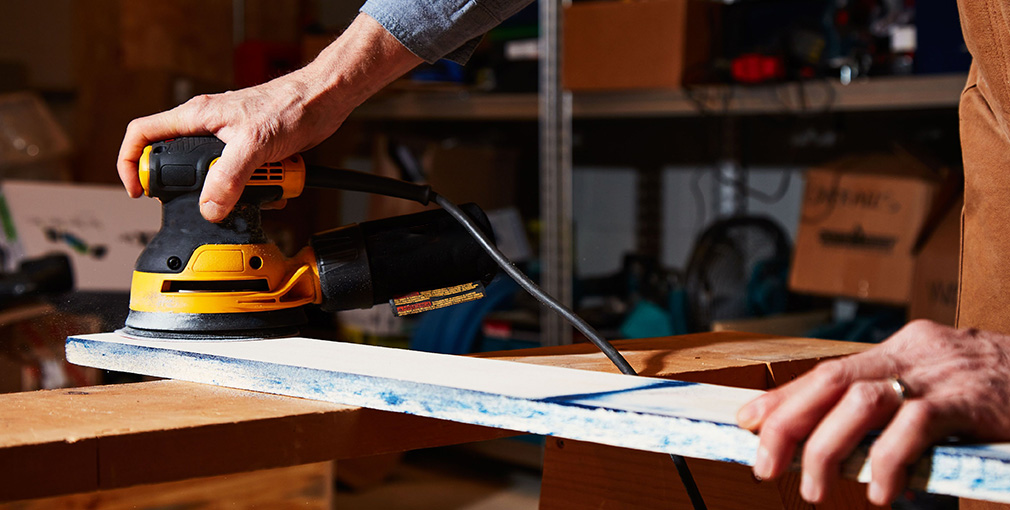
- Precision Sanding: Belt sanders allow for precise removal of material, ensuring that only the necessary amount is removed. This precision reduces the likelihood of over-sanding, which can lead to material waste.
- Surface Preparation: Proper surface preparation is crucial for the longevity and performance of construction materials. Belt sanders prepare surfaces efficiently, ensuring that materials adhere better and last longer, reducing the need for replacements.
- Reuse of Materials: Belt sanders can restore used materials to a usable state. For example, old wooden beams or planks can be sanded down to remove imperfections, allowing them to be reused in new projects.
Reducing Defective Outputs
Construction defects often lead to material waste as faulty components must be discarded and replaced. Belt sander machines help in minimizing these defects.
- Smoothing Imperfections: Uneven surfaces can cause structural issues and aesthetic problems. Belt sanders smooth out these imperfections, ensuring that materials fit together properly and function as intended.
- Accurate Shaping: Accurate shaping of materials is critical in construction. Belt sanders can precisely shape materials, reducing the risk of defects caused by improper fitting.
- Consistent Quality: Regular use of belt sanders ensures consistent quality in finished products. This consistency minimizes the need for rework and reduces the waste generated from defective materials.
Enhancing Material Durability
Durable materials are less likely to be replaced frequently, contributing to waste reduction. Belt sander machines enhance the durability of construction materials through proper finishing techniques.
- Improved Adhesion: Sanding surfaces before applying coatings, paints, or adhesives improves adhesion, ensuring that these finishes last longer and protect the underlying material more effectively.
- Preventing Rot and Decay: Sanding wooden materials removes surface imperfections where moisture can penetrate, reducing the risk of rot and decay. This preservation extends the lifespan of the materials, reducing the need for replacements.
- Surface Sealing: Belt sanders create a smooth surface that can be easily sealed, protecting materials from environmental damage and enhancing their durability.
Versatility in Material Types
Belt sander machines are versatile tools that can be used on a wide range of materials, contributing to waste reduction across different construction phases.
- Wood: Sanding wooden materials ensures they are smooth and free from splinters, reducing the need for additional finishing products and minimizing waste.
- Metal: Belt sanders can remove rust and imperfections from metal surfaces, preparing them for painting or coating and extending their usability.
- Plastic and Composites: Sanding plastic and composite materials improves their appearance and functionality, reducing the likelihood of discarding imperfect pieces.
Efficient Renovation and Demolition
During renovation and demolition projects, significant amounts of waste can be generated. Belt sander machines play a crucial role in reducing this waste by enabling the reuse of existing materials.
- Refinishing Surfaces: Rather than discarding old materials, belt sanders can refinish surfaces, making them look new and extending their life.
- Removing Old Finishes: Old paint, varnish, or coatings can be removed with a belt sander, allowing the underlying material to be reused rather than discarded.
- Sanding for Repurposing: Materials from demolition can be sanded and repurposed for new uses, reducing the need for new materials and minimizing waste.

Contribution to Sustainable Practices
The construction industry is increasingly focusing on sustainability, and belt sander machines contribute significantly to these efforts.
- Reducing New Material Needs: By enabling the reuse and restoration of existing materials, belt sanders reduce the demand for new materials, conserving natural resources.
- Minimizing Landfill Waste: Efficient use and reuse of materials reduce the amount of waste sent to landfills, helping to mitigate the environmental impact of construction.
- Supporting Green Building Standards: Many green building standards, such as LEED, emphasize waste reduction and material reuse. Using belt sanders aligns with these standards, contributing to more sustainable construction practices.
Example: Wood Floor Restoration
A typical example of belt sander use is in wood floor restoration. By sanding down existing floors, construction professionals can restore and reuse them, rather than replacing them entirely. This practice not only reduces waste but also conserves the resources and energy that would be required to produce new flooring materials.
Governmental and Regulatory Support
Government and regulatory bodies often provide guidelines and support for sustainable construction practices, including waste reduction through efficient material use.
- Guidelines and Best Practices: Organizations such as the Environmental Protection Agency (EPA) provide guidelines on reducing construction waste and promoting sustainability.
- Incentives and Certifications: Governments may offer incentives for construction projects that follow sustainable practices, including the use of tools like belt sanders to minimize waste.
- Regulatory Compliance: Compliance with regulations that promote waste reduction can be facilitated by the effective use of belt sander machines, aligning projects with legal requirements.
Economic Benefits
Reducing construction waste through the use of belt sander machines also offers economic benefits.
- Cost Savings on Materials: Reusing and restoring materials reduces the need for purchasing new materials, leading to significant cost savings.
- Reduced Disposal Costs: Minimizing waste reduces disposal costs, including fees for landfill use and transportation.
- Enhanced Property Value: High-quality finishes achieved through the use of belt sanders can enhance the value of the property, providing economic returns on investment.
Training and Skill Development
Proper use of belt sander machines requires training and skill development. Ensuring that workers are proficient with these tools maximizes their effectiveness in waste reduction.
- Training Programs: Offering training programs for workers on the proper use and maintenance of belt sanders ensures efficient and safe operation.
- Skill Development: Skilled workers can better utilize belt sanders for precise and effective material use, further reducing waste.
Future Innovations
The development of new technologies and innovations in belt sander machines continues to enhance their role in reducing construction waste.
- Advanced Features: Modern belt sanders come with advanced features such as variable speed controls, dust collection systems, and improved ergonomics, making them more efficient and user-friendly.
- Sustainable Materials: Innovations in sanding belts and materials used in belt sander machines contribute to sustainability by reducing environmental impact.
- Integration with Other Tools: Integration of belt sanders with other construction tools and technologies can further streamline processes and reduce waste.
Conclusion
Belt sander machines play a critical role in reducing construction waste through efficient material utilization, minimizing defective outputs, enhancing material durability, and enabling the reuse of materials. Their versatility across different material types and construction phases makes them indispensable tools in sustainable construction practices. By aligning with governmental guidelines and taking advantage of economic benefits, construction professionals can leverage belt sander machines to contribute to a more sustainable and cost-effective industry.

Cyclist, father of 3, music blogger, Swiss design-head and RGD member. Producing at the fulcrum of beauty and programing to craft an inspiring, compelling and authentic brand narrative.