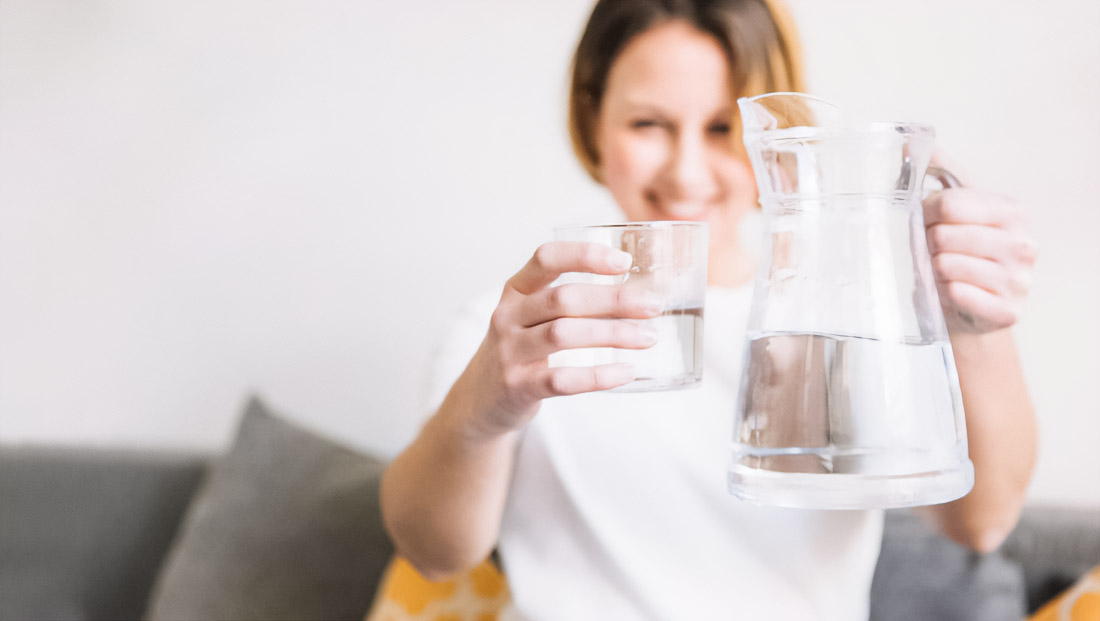
For people living in or traveling to Dubai, the safety of tap water is a common concern. Even though the water is desalinated and meets official standards, worries about storage conditions, pipe maintenance, and hygiene remain. Learning more about the water supply process, potential dangers, and ways to address them can help you choose the best purification approach at home.
How is Water in Dubai Sourced and Purified?

Seawater desalination supplies over 99% of the UAE’s domestic water needs. Major desalination centers such as Taweelah and Jebel Ali apply membrane filtration and reverse osmosis to extract salts and pollutants. The final step is chlorination, which effectively destroys harmful microorganisms.
Why Doubts Persist with a Safe Filtration System
High-quality treatment processes do a lot to purify water, but the way it is stored and distributed can introduce new hazards. In many properties, rooftop tanks hold water that then flows through aging pipes. Such setups often lead to corrosion, rust buildup, and bacterial growth when cleaning isn’t done routinely.
Some residents say tap water has a chlorine aftertaste or a slightly brackish note. Water supply and storage issues are common in old houses with aging pipes and tanks not replaced for years. It’s no coincidence that over 70% of locals still prefer bottled water, even though 90% of tap water meets global safety requirements.
Factors Influencing the Choice of Treatment Methods
Choosing how to use tap water often depends on a few things:
- Taste and smell: A chlorine or metallic aftertaste indicates quality issues.
- Hygiene of pipes and tanks: The accumulation of microorganisms, rust, and sediment makes many people cautious.
- Water hardness: High salt levels can harm skin and hair.
- Contamination concerns: There’s always concern that heavy metals or bacteria might be present.
Some residents note that in a few days, replaceable filter cartridges turn brown because of sediment and dust. Given the hot climate, which speeds up bacterial growth in tanks, regular cleaning and prevention of blockages become essential parts of maintaining engineering systems.
Why is There a Growing Interest in Home Filtration Systems
There is a growing understanding among citizens that water filtration at the entrance to the apartment or at the point of consumption helps to minimize risks. Modern cleaning systems make it possible to remove chlorine, salts, heavy metals and possible impurities remaining after transportation. The use of membrane filters, reverse osmosis water filters and carbon cartridges reduces the likelihood of microbial pathogens entering the water, improves taste and reduces the total dissolved substances content.
Switching to filtration and the use of reusable bottles is one of the ways to reduce plastic and protect the environment.
How to Provide Quality Water at Home
To reduce the risks, experts recommend:
- Regularly clean and disinfect tanks every 6-12 months.
- Inspect the pipelines and replace any corroded sections as needed.
- Install a multi-stage cleaning system with carbon cartridges, reverse osmosis membranes, or UV sterilizers.
- Use filters to remove chlorine, salts, and microorganisms.
- Periodically send water for lab analysis to monitor indicators.
These precautions are especially vital if your family includes young children or seniors, who are more susceptible to contaminants. Boiling water beforehand provides an additional layer of protection.
Contribution to Sustainable Resource Consumption
Considering that desalination provides about 99% of drinking water, and its production is accompanied by significant energy consumption and the formation of salt waste (brine discharge), reasonable consumption and reuse of water become not only a personal health concern, but also a contribution to the sustainable future of the city.
The Water Safety Strategy assumes a 21% reduction in consumption and an increase in the reuse of treated water to 95% by 2036. The use of filtration systems and the elimination of unnecessary packaging help to move faster towards these goals.
Conclusion
In Dubai, tap water really goes through a complex desalination and purification system and meets international standards. However, the state of pipelines and reservoirs continues to be a significant risk factor. Installing modern water filtration for drinking water and regularly monitoring infrastructure ensures safe, good-tasting water. It guarantees clean, healthy water in your home and helps reduce plastic pollution and conserve regional resources.

Cyclist, father of 3, music blogger, Swiss design-head and RGD member. Producing at the fulcrum of beauty and programing to craft an inspiring, compelling and authentic brand narrative.